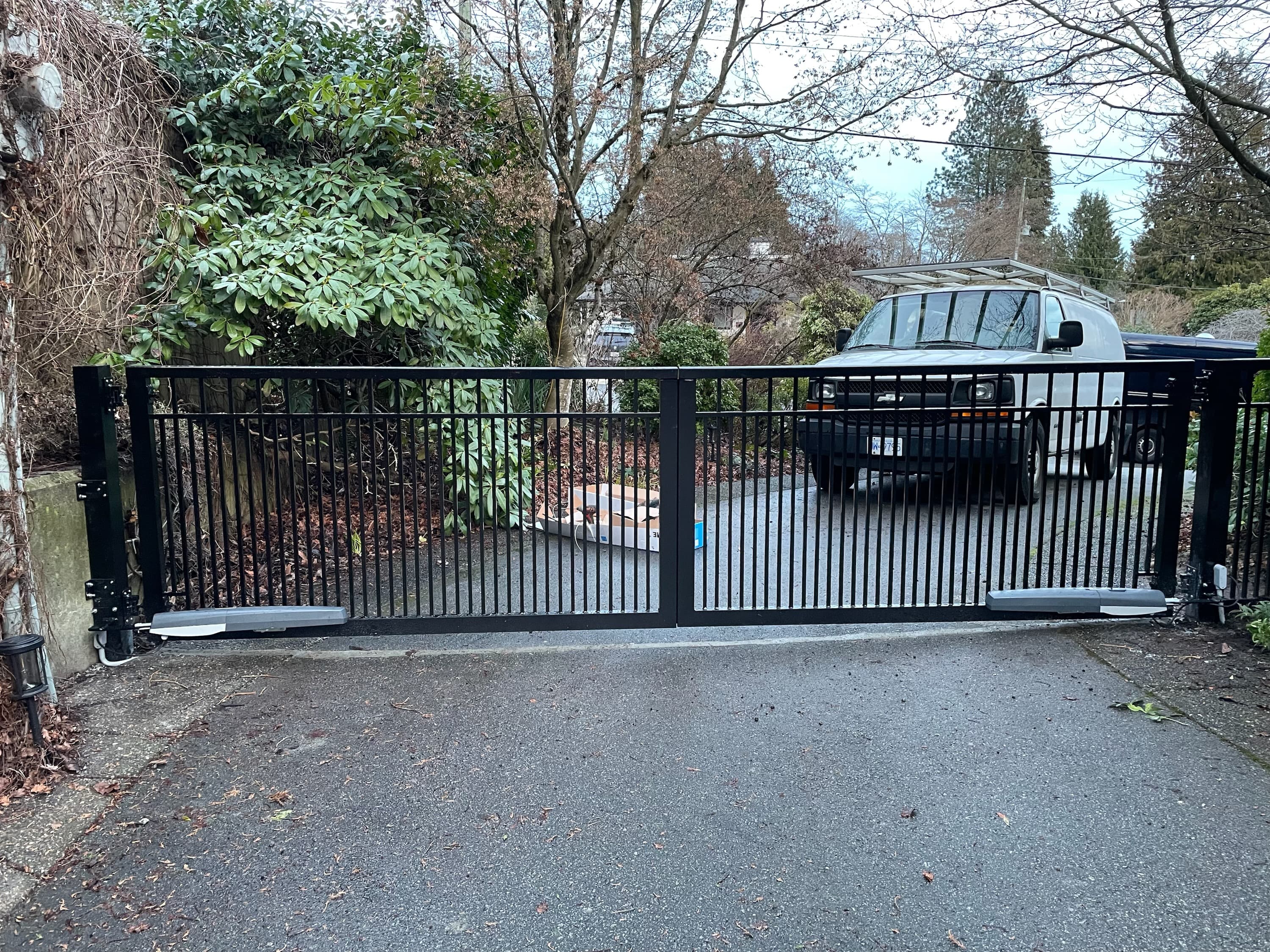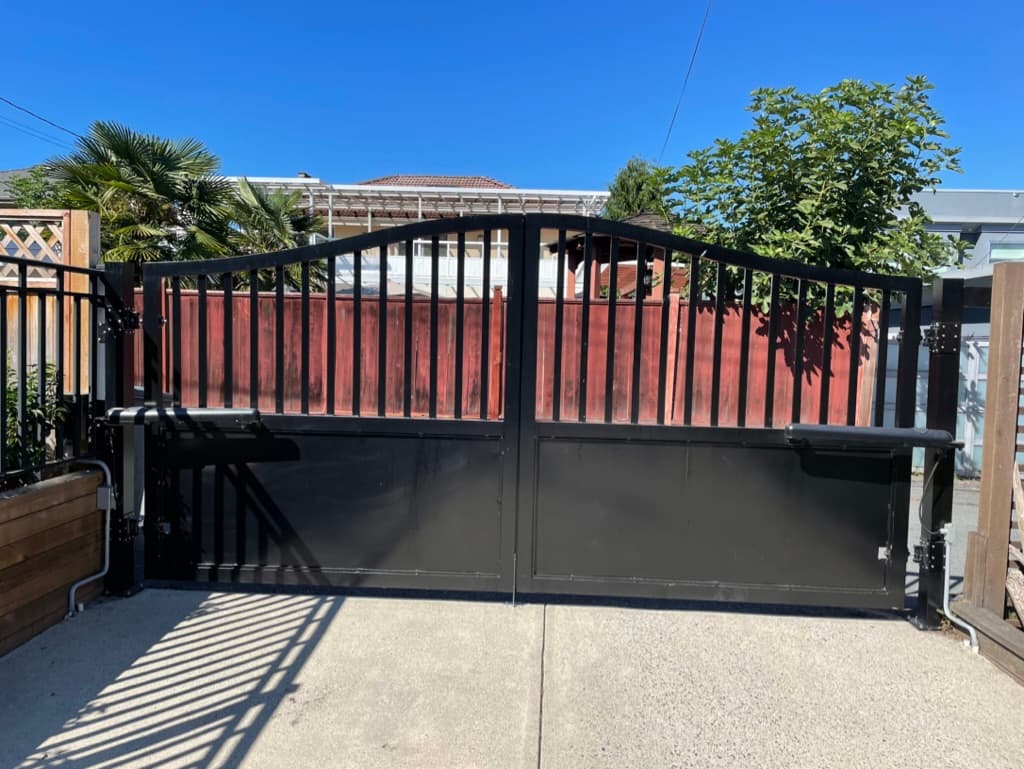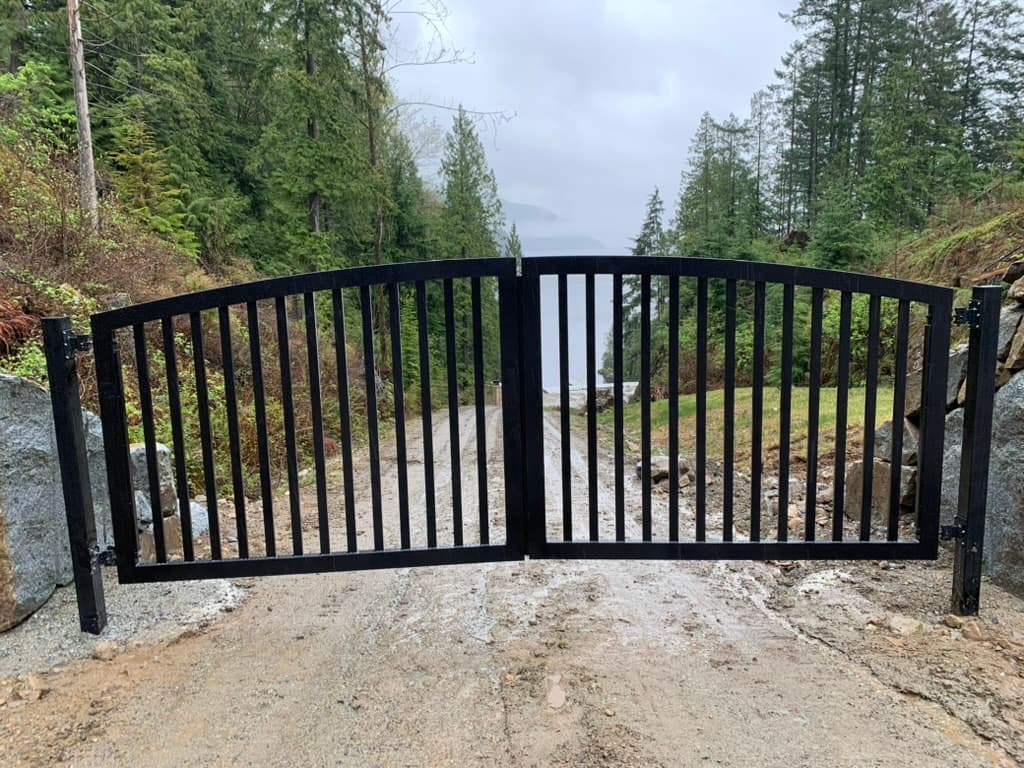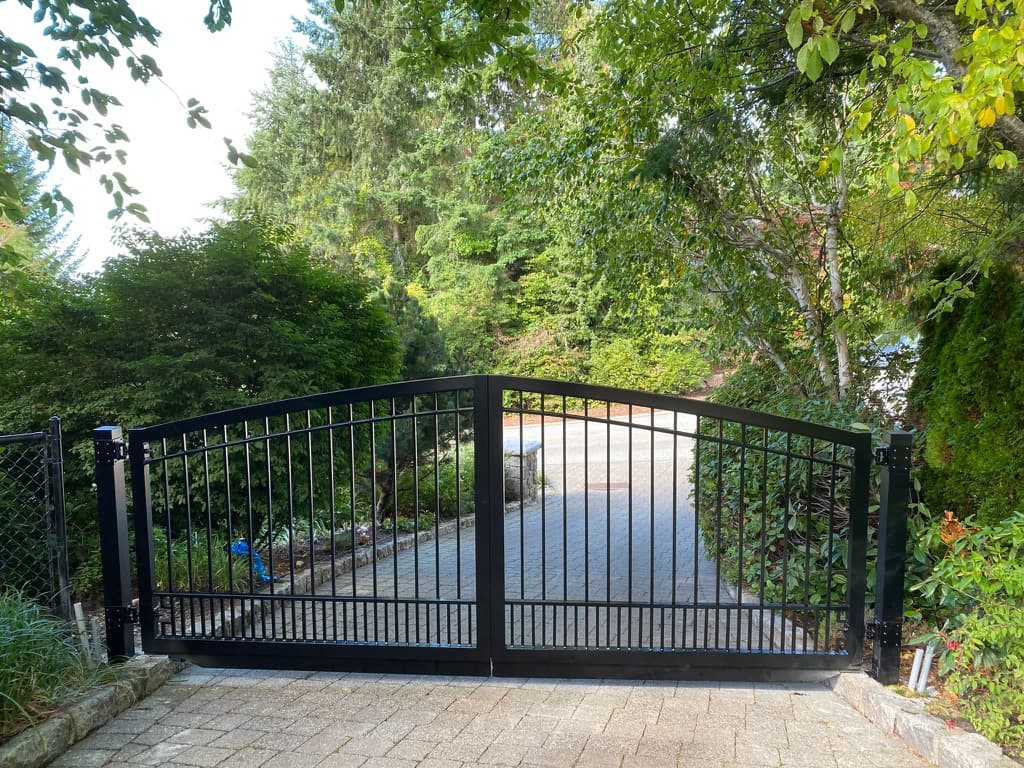
Homes and businesses both benefit from iron fencing, gates, and railings-but the priorities and code triggers are not identical. Knowing the differences helps you budget realistically and choose details that will pass inspection.
Traffic and duty cycle
Commercial entries often see more daily cycles-delivery trucks, employee badges, after-hours access. That may mean heavier gauge material, upgraded operators, and more frequent maintenance. Residential systems may prioritize quiet operation and aesthetics alongside reliability.
Codes and liability
Public-facing or multi-tenant properties may face stricter accessibility and egress expectations. Early coordination with architects and AHJs avoids costly rework. Insurance and risk managers may also care about documented maintenance for automated gates.
- Commercial projects often bundle signage, intercoms, and surveillance at the entry.
- Residential work may emphasize powder coat color, picket spacing, and neighbor sight lines.
- Both benefit from documented submittals and as-built notes for future service.
We have decades of experience across HOAs, storefronts, and custom homes-adapting fabrication and automation to the setting.