An automatic gate is more than a motor: it is a system of mechanical, electrical, and safety components that must work together every day. Understanding the basics helps you ask better questions and choose hardware that fits your traffic, climate, and security goals.
Swing vs. slide operators
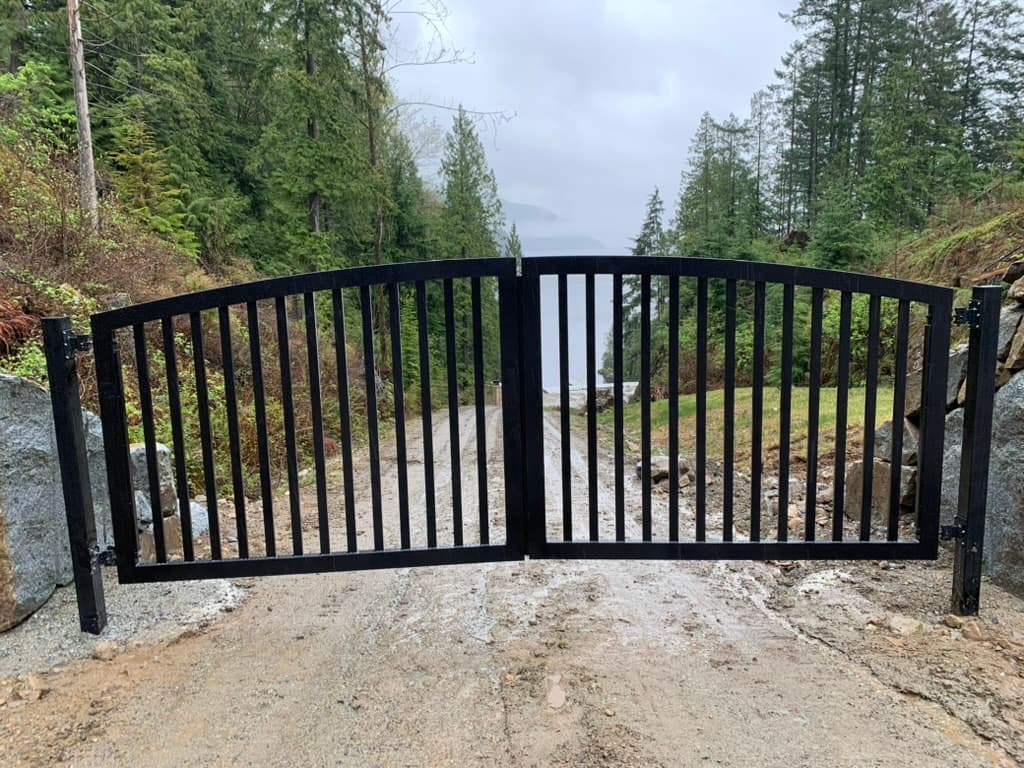
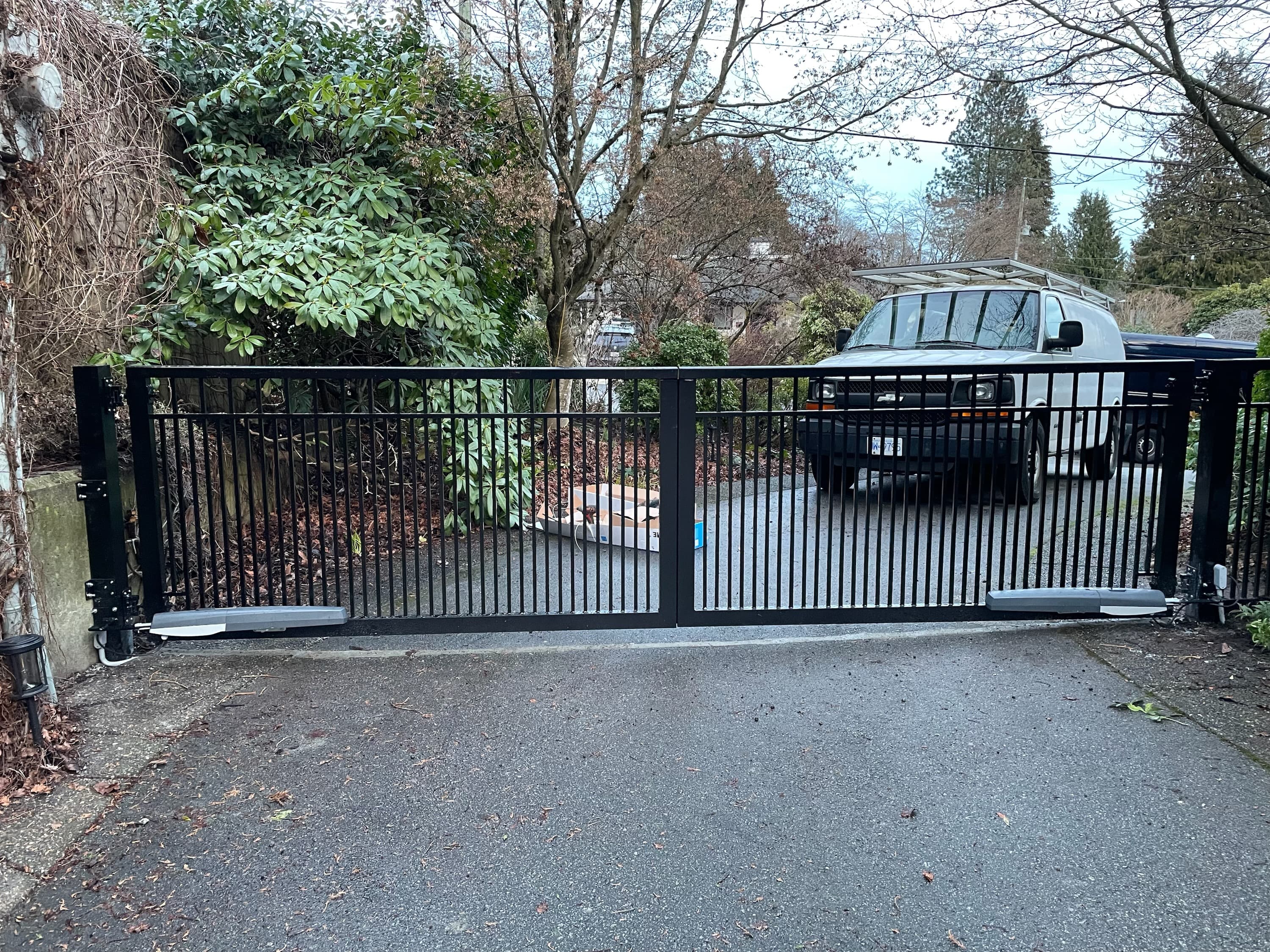
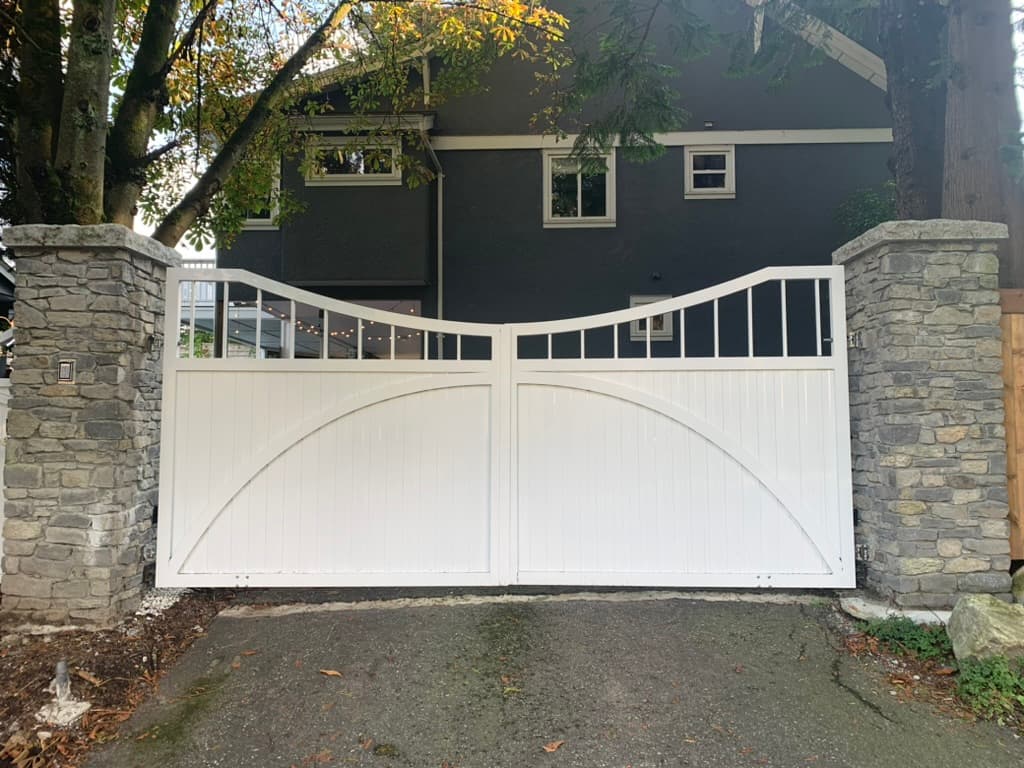
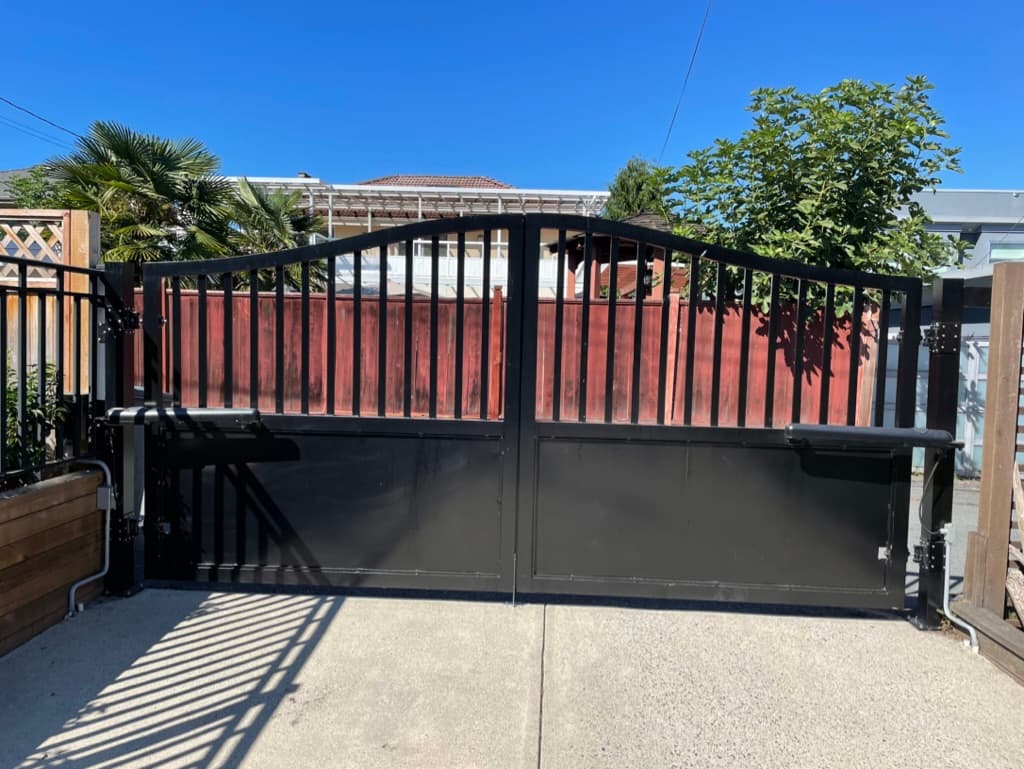
Swing operators attach to hinged gates and move them through an arc; slide systems move the leaf parallel to the fence line. Site slope, available space, wind exposure, and gate weight all influence which approach is appropriate. Professional sizing prevents premature wear and unsafe operation.
Safety and compliance
Modern installations rely on photo eyes, edge sensors, loops, and control logic to prevent entrapment and impact. Standards such as UL 325 exist to reduce injury risk. A qualified installer will test travel, force settings, and accessory function-not just “make it open.”
- Plan for maintenance: chains, belts, hinges, and control boards benefit from periodic inspection.
- Match access control to how people use the property: remotes, keypads, intercoms, or smartphone apps.
- Integrate lighting and signage so visitors understand how to use the system safely after dark.
We design automation as part of the whole gate project-fabrication, operator selection, safety devices, and training-so you get predictable performance from day one.